
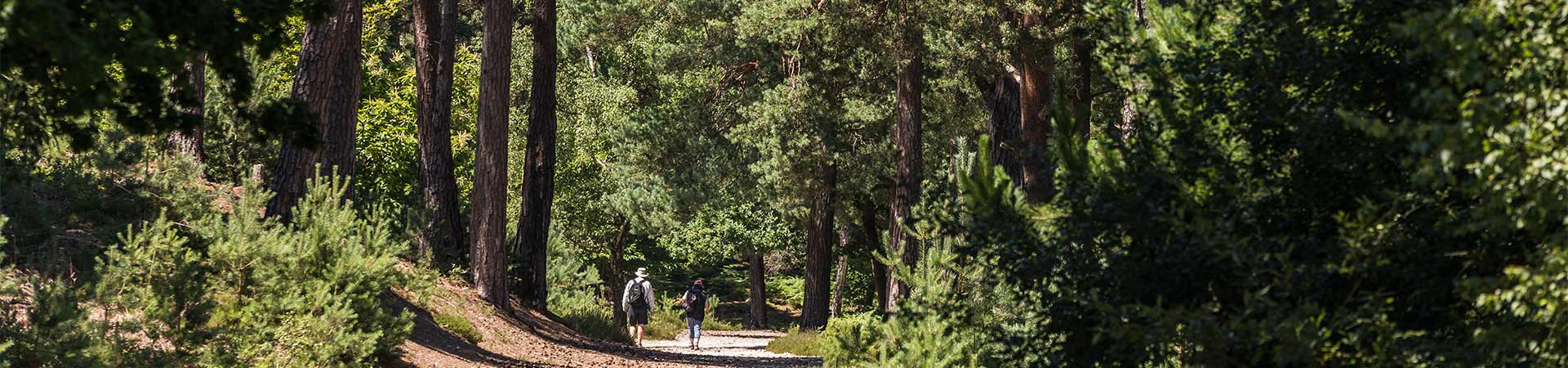
From ancient woodland to atmospheric pine forests, Dorset is blessed with the most incredible tree-lined walks just waiting to be discovered. Whatever time of year you visit, stepping back into nature will always soothe the soul. Whether it’s blankets of bluebells in spring, dappled shade in summer, the spectacle of colours as the leaves change in autumn, or a crisp walk in winter, heading out into the trees will always be a highlight of any holiday. And rewarding yourself with a glass of something special at the local welcoming pub is a must!
Whether you have a four-legged friend that needs to stretch its legs, a family that needs to let off some steam, or you’re a couple seeking a romantic stroll in nature followed by a picnic, the woods and forests of Dorset offer the perfect playground.
Here’s a hand-picked selection of some of the best woodland walks in Dorset to inspire you – happy walking!
Thorncombe Wood, near Dorchester
Distance: Various paths available
Time: As long as you want
Starts/ends: Hardy’s Birthplace Visitor Centre
Parking: Hardy’s Birthplace Visitor Centre
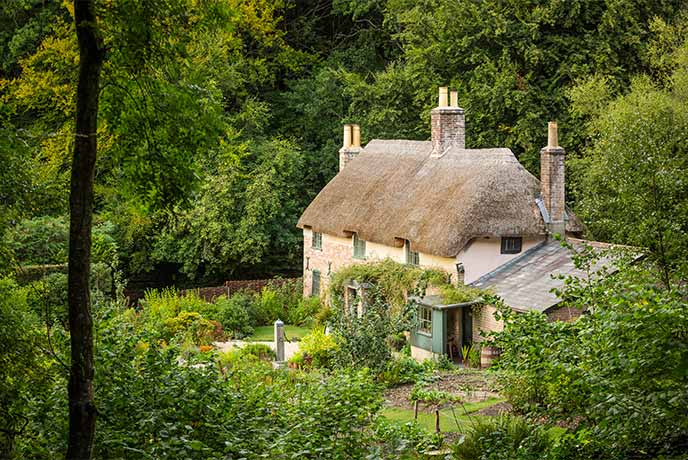
Landmarks/points of interest: Hardy’s Cottage, Rushy Pond, Black Heath, preserved Roman road
Thorncombe Wood Local Nature Reserve is a peaceful place to visit, nestled on the edge of Dorchester. A lovely mix of woodland and heath, this is the birthplace of much-loved Dorset novelist Thomas Hardy, whose cottage, now managed by the National Trust, is open to visit and is a must to add on to your walk. With easy paths winding their way through the oak, sweet chestnut and beech trees, this is a pretty, shady walk with the option of wandering out to the open heathland of Black Heath, where Dartmoor ponies roam.
You’ll also find Rushy Pond here - a haven for amphibians, dragonflies, and grass snakes. Both Black Heath and Rushy Pond appear in Hardy’s novels. Interestingly, an ancient Roman road passes through the woodland and has many ghostly tales associated with it – should you dare to find it. Keep an eye out, as many have claimed to have seen Roman soldiers among the trees! Make sure to pop into the Hardy’s Visitor Centre to learn more about the woodland and its history. There’s also a fantastic café, children’s activities to keep little ones entertained, and a toilet.
Lawrence of Arabia Walking Trail, Clouds Hill and Moreton Forest
Distance: 6.75 miles
Time: 2.5 hours
Starts/ends: Tank Museum, Bovington
Parking: Bovington Tank Viewing Area car park
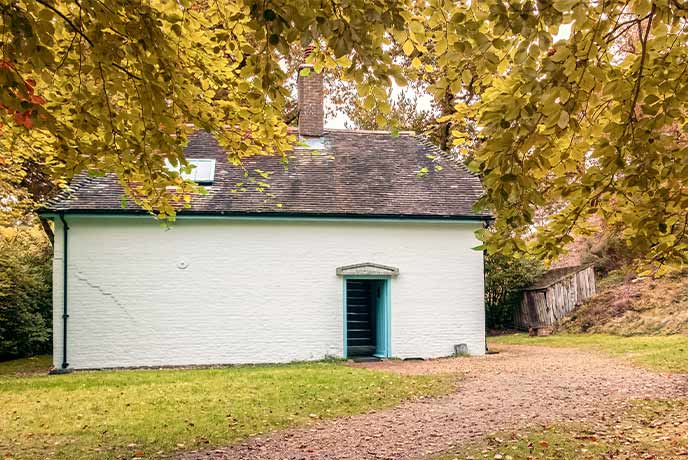
Landmarks/points of interest: Bovington Tank Museum, Clouds Hill, the Frome at Moreton, St. Nicholas Church
This beautiful and fascinating walk is named after the archaeologist and writer T.E. Lawrence, aka Lawrence of Arabia, who settled at Bovington in 1923 and lived at Clouds Hill until his death in 1935. The walk is perfect for those who love a bit of history with their exercise, taking in Bovington Tank Museum, Moreton Forest, and his tiny one-bedroom home, Clouds Hill. The deciduous woodland you’ll walk through is blessed with a blanket of bluebells in spring, while in winter finches love to feed on the birch trees.
The trail also passes through a section of Egdon Heath, home to the rare Dorset heath (a local plant), nightjars, and the Dartford warbler. You’ll meander along the Frome, a pretty chalk river home to salmon and brown trout, grey herons, and kingfishers. Pop into the Georgian Gothic church of St. Nicholas, where Lawrence’s funeral took place, and find his grave in the nearby cemetery. You’ll then walk through further woodland to Clouds Hill (check the National Trust website for opening times) before weaving your way back to Bovington, passing a memorial stone to Lawrence, a tank viewing area, and the military training area. Once back in Bovington, it’s well worth visiting the Tank Museum before leaving.
Kingston Lacy Woodland Trail nr Wimborne

Distance: 2.9 miles
Time: 1 hour
Starts/ends: Kingston Lacy car park
Parking: Kingston Lacy car park
Landmarks/points of interest: Kingston Lacy House, historic carriageway, woodland play area, Ruby Red cattle
This pretty circular trail lies within the gorgeous estate of Kingston Lacy in Wimborne. This dreamy walk leads you through native deciduous woodland and along historic carriage driveways, giving you the perfect opportunity to unlock your Bridgerton dreams! With gorgeous views across the parkland to the main house, it’s easy to imagine what life would have been like for the Bankes family who lived here.
Beautiful whatever time of year you visit, the woodland is bedecked with bluebells and wild garlic in spring, while you can immerse yourself in the burnt oranges and yellows of the beautiful autumnal foliage. Little ones will love the woodland play area where they can let off some steam (and keep an eye out for the tortoise, William Bankes’ favourite pet). It’s also a great spot for a picnic if you’ve brought one with you. You might also spot the resident herd of Ruby Red Devon cattle, the oldest recorded herd in the world. Combined with a visit to the main house (and the café afterwards), this is a fantastic day out.
Ashley Wood, nr Blandford Forum
Distance: Various paths available
Time: As long as you want
Starts/ends: Wimborne Road, Tarrant Keyneston, Blandford Forum DT11 9JJ
Parking: Park in the village and follow one of the public footpaths that lead to the woods
Landmarks/points of interest: Bluebells in spring, butterflies
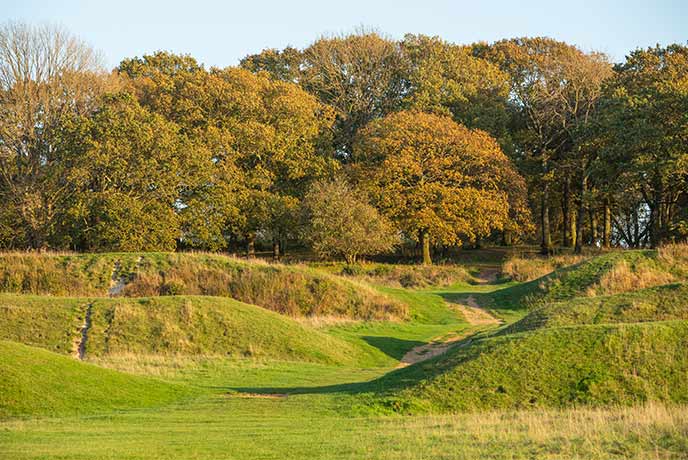
Nestled east of Blandford Forum, Ashley Wood Nature Reserve is an ancient woodland of hazel and ash trees. Blanketed in bluebells and wood anemones in late April/early May, it’s a natural paradise covering some 13 hectares, making it a tranquil spot to come for a wander and escape the hubbub of everyday life. A haven for butterflies (such as the speckled wood, white admiral and silver-washed fritillary), and quiet enough to enjoy birdsong, this is a soul-restoring walk for when you’re looking to immerse yourself in nature without distraction.
There’s no determined route to follow, but you’ll find a map and details on the information board at the main entrance into the woods. Dogs are welcome on a lead (please be mindful of the wildlife that call the woods their home), and the paths are level but occasionally uneven, making it perfect for the whole family. Afterwards, head to the nearby Iron Age fort of Badbury Rings for sweeping views of the surrounding area.
Brownsea Island wildlife walk, Poole Harbour
Distance: 1 mile
Time: 30 minutes
Starts/ends: St Mary’s Church
Parking: catch the boat from Poole to Brownsea Island
Landmarks/points of interest: Red squirrels, birdlife, views over Purbeck Hills
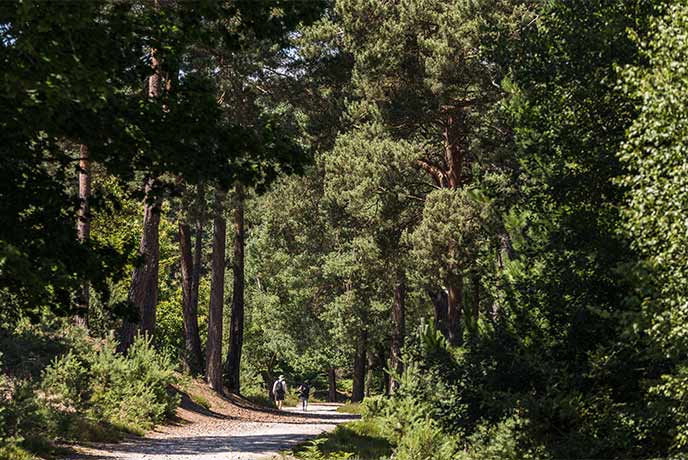
From Poole Harbour, take the boat over to Brownsea Island, a stunning nature reserve with breathtaking views over the Purbeck Hills and protected, thriving habitats, making it a safe haven for rare flora and fauna such as the red squirrel. It also boasts beautiful woodland too, with a mixture of pine and broadleaf trees that are just lovely to wander through. There are various trails across the island to explore, and the Wildlife Walk offers a glimpse into the history of the island via a gentle walk.
The star of the island has to be the rare red squirrel. They’re easiest spotted in autumn when they’re busy foraging for nuts, but active throughout the year. The 100 different species of trees on the island offer a wonderful larder for the squirrels, alongside a plethora of other creatures, including the beautiful and tiny goldcrest, Europe’s smallest bird. Among the trees, you’ll find a daffodil plantation that’s stunning in spring, while at the end of the walk, The Lookout is a fantastic hide where you can keep an eye out for birds over the Lagoon.
In addition, there’s a natural play area for children, a café and a shop. There are free guided walks throughout the year (check out the National Trust website). Please note that dogs aren’t allowed on the island.
Langdon Hill Walk, nr Seatown
Distance: 1.4 miles
Time: 30 minutes
Starts/ends: Langdon Hill car park
Parking: Langdon Hill car park
Landmarks/points of interest: Views over the Golden Cap and Marshwood Vale, fungi in autumn, roe deer, field and harvest mice
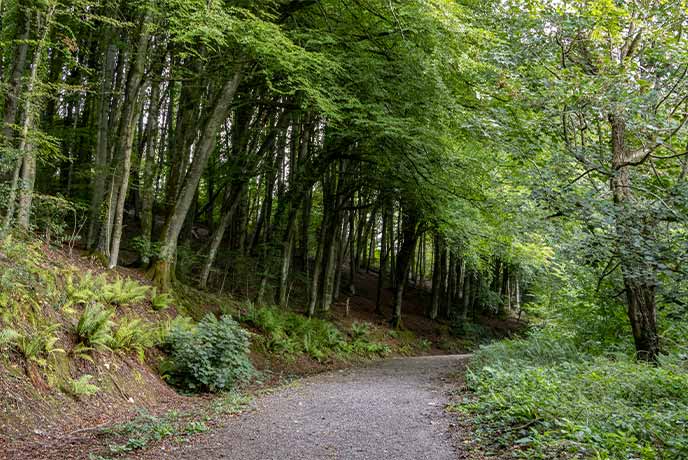
This is a gorgeous circular walk that takes in spectacular views over countryside and coastline, including the iconic Golden Cap, so called from the distinctive golden rocks that form its 191-meter-high summit. Langdon Hill walk near Seatown passes through Scots pine trees and larch, making it a stroll with that perfect combination of fresh sea air and the grounding energy of a woodland walk.
Starting from the car park, the walk winds its way towards Golden Cap, offering gorgeous views as you take the ascent up Langdon Hill. The surrounding fields are home to roe deer, while birds such as linnet and lapwing can be seen wheeling in the air. The hedges are a habitat for the very rare and elusive harvest mouse, so do keep an eye out as you walk. In autumn, this is the perfect habitat for fungi, so take a peek among the trees to see what you can find. The fabulously named King Alfred’s cakes are used to light fires. But it’s best to look and not touch! The trail winds its way back along the ridgeway towards the car park with impressive views over Marshwood Vale and Hardown Hill, an ancient burial site.
Wareham Forest Woodlark Trail
Distance: 2 miles
Time: 50 minutes
Starts/ends: Sika Trail car park
Parking: Sika Trail car park
Landmarks/points of interest: Rare wildlife, Sika deer
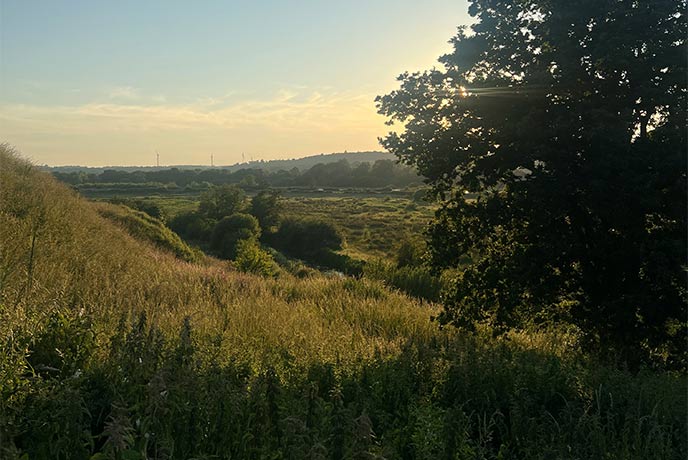
This beautiful forest in Wareham covers a huge area, and alongside ancient woodland there’s heathland, bogs, and wet heaths, making it a haven for rare plants and wildlife. Managed by Forestry England, Wareham Forest is also home to the Morden Bog National Nature Reserve, one of England’s largest valley mire habitats. There are miles of paths and tracks to explore, but the Woodlark Trail, named after the rare ground-nesting bird that lives here (listen out for its beautiful song), is a lovely 2-mile stroll through woodland that starts and ends at the Sika Trail car park.
With a solid path and only gentle hills, this is perfect for the whole family, and suitable for those with larger-wheeled prams. Cattle graze here too, so if you have a dog with you, it’s important to keep them under control and within sight. While you walk through the woodland, keep an eye out for Sika deer, originally from Asia and introduced to England in the 1850s. The best time to spot them is between October and November, when you might hear the call of the stags too. Other creatures that live here include sand lizards, nightjars, smooth snakes, and the hobby, a rare falcon.
Feeling inspired? Take a look at our beautiful holiday cottages in Dorset and start planning your woodland walk-inspired getaway today.


