Who will you meet
in your local area?
Get in touch about letting your property
Whether you're new to holiday letting, already have the perfect property, or you'd simply like some advice or guidance, we'd love to hear from you.
Meet the team
One of these friendly faces will be on the end of the phone to help you from the get-go. Each Manager in the property team covers a specific area of the UK and knows their territory like the back of their helpful hands, advising you on every detail.
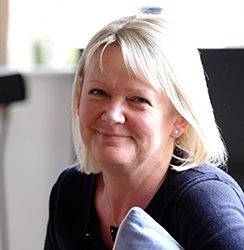
Leonie | South Cornwall
I started working with Classic in November 2015, having run my own holiday letting agency, Roseland Holiday Cottages, for the past 20 years. I am fortunate to have been born and bred on the Roseland peninsula in Cornwall so know the area incredibly well and love everything it has to offer.
Finding special homes that make wonderful holidays is my passion and I enjoy developing good working relationships with my owners and visiting their lovely properties! In my spare time I love to walk and explore the invigorating coast path with my husband and we also enjoy being out on the water on our boat when time allows.
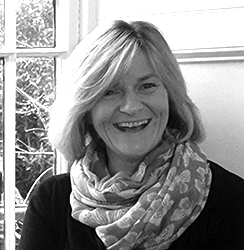
Penny | North East & South East Cornwall
I joined Classic in the summer of 2015, a company that I have respected for a long time having worked in the tourism industry for over 25 years. Previously I was Head of Marketing at VisitCornwall for 14 years and prior to this held managerial positions for international hotel groups and golf and country clubs.
My role as Area Manager gives me the chance to combine the experience I have gained in the industry with my knowledge and passion for both property and the area that I have the privilege to call home – Kevin McCloud would be my ideal dinner guest but please don’t tell my husband! Speaking of whom, my husband Mark and I live on the edge of Bodmin Moor with our two dogs (this seems to be a prerequisite of the job).
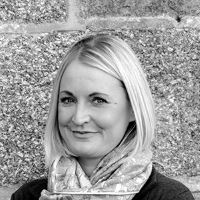
Lucy | Devon
I started working in the tourism and leisure industry in 2012, and have never looked back. My time in the industry has made me extremely confident in knowing what great looks and feels like. With this level of knowledge and expertise, I’m looking forward to sharing in my position as Area Manager for the South Devon and Dartmoor areas.
My original home town is in the beautiful countryside of Cheshire. In 2012 fate offered my partner and I the chance to relocate to Devon, which has been our family holiday destination for as long as I can remember. I instantly fell in love with Devon with its endless attractions and hidden gems at a young age, and I feel privileged to live and work in such an amazing part of the world.
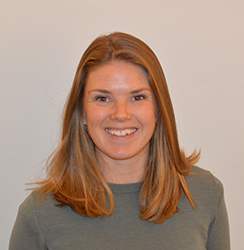
Louise | South Cornwall
I joined Classic Cottages in February 2018 (on Valentine's Day in fact) and I am delighted to be living and working in such a wonderful part of Cornwall. I was born and brought up on a family farm near Falmouth so I know the area very well.
I was previously at Hamptons International in Sloane Square doing residential lettings for eight years until the sea called me back. I learned many valuable skills which have been paramount to my role here at Classic. I am delighted that I am continuing to view beautiful properties and work closely with owners in another stunning and unique part of the country. I really enjoy finding the perfect place that will make an idyllic holiday home and give the true Cornish experience. There is so much to enjoy in this part of the county, whether it's walking my dogs, eating cream teas or just generally living the Cornish dream.
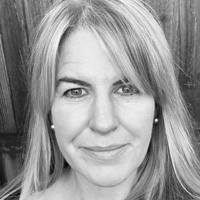
Natasha | South East & East Anglia
I have lived in East and West Sussex for most of my life and I previously ran accommodation directories for self-catering and bed and breakfast accommodation as well as owning a housekeeping and property care agency.
I love Sussex and Kent. Not only does the South East of England usually get the most sunshine but both Kent and Sussex are blessed with some of the most stunning coastlines, ancient woodlands and beautiful countryside. It is a great place for outdoor pursuits and one of my favourite places to visit is the South Downs National Park.
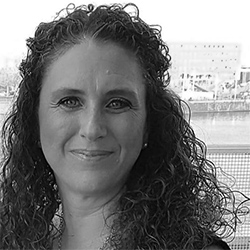
Nicola | North & South Devon
Over the last 18 years I've worked in the leisure industry and had the pleasure of managing some of the best holiday homes across Devon and Cornwall; from fully managing homes and now holiday rentals. I am no stranger to Classic as I have been working within the group for three years. Working at Classic, not one day is the same and this is what I love. It is a joy working with owners to create the best holiday homes for their guests. There is no greater reward than seeing the final moments of a home all coming together before the arrival of the first guests.
I've had the pleasure of calling both North and South Devon home. I now live in South Devon with my family of three boys plus our four-legged hound, who is always by our side for our Devon adventures.
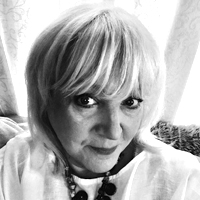
Colette | Wales
Pembrokeshire is a jewel in Wales’ Crown, being the only completely coastal National park in the UK. Being born and raised in Pembrokeshire I couldn’t imagine being anywhere else. It has a magnificent coastline with the coastal path meandering for 186 miles with craggy coves & glorious stretches of golden sands. As well as the beaches, Pembrokeshire has a fantastic heritage & history. There are so many castles to visit including Pembroke & Carew & many family attractions like Bluestone, Folly Farm & Oakwood Park for a great family day out.
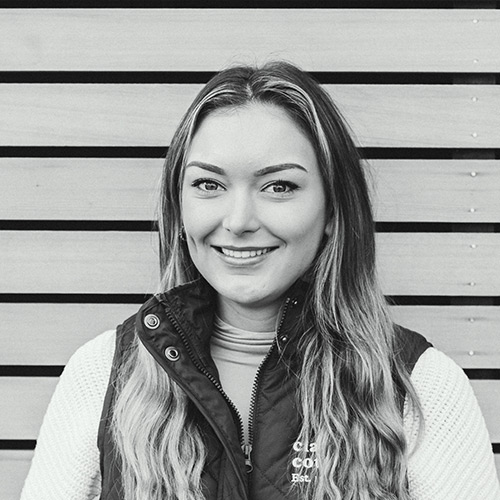
Jodie | South West Cornwall
I have lived in Southwest Cornwall my whole life and I pride myself on knowing the area. From the fabulous coast and pretty creeks to ancient woods and rural landscapes and everything in between.
I have worked in various roles within the hospitality industry since 2015, giving me a great level of knowledge when it comes to the holiday letting market. Alongside my career in hospitality, I’ve raised a family and completed a business and digital marketing degree. On top of this, I recently finished my own self-build home in the Cornish countryside – a great first hand experience I can use to help owners with their property development projects.
Classic Cottages is a highly regarded company and I'm looking forward to sharing my strengths with my portfolio and supporting my owners through their holiday let journey.
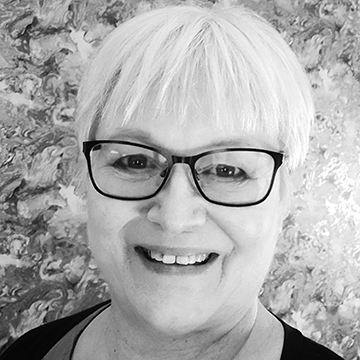
Linda | The North
With many years of experience working within both Customer service and Sales roles, I am very excited to be a part of the Classic team and to apply my varied experience and strengths to the role. I love meeting new people, and I am looking forward to working with my owners to achieve the highest potential from their property.
I am extremely lucky to live on the beautiful East Coast of Yorkshire with its glorious sandy beaches and fabulous coastal villages. The extra bonus is that within minutes I can be in the midst of the North York Moors National Park with its rolling vistas of heather (and very friendly sheep!). Further afield, I love to visit different areas of England, including the Peak District and Northumberland. And having spent many happy holidays in Scotland, I am familiar with its awe-inspiring landscapes and beautiful islands. I really feel that the whole of the North is my home.
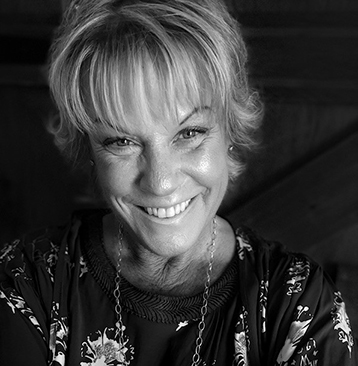
Lesley | West Cornwall
After working in hospitality for many years in London and the Home Counties, I decided to change direction and move to rural France to run my own holiday rental company. Here I was lucky enough to discover rural farmhouses, dovecotes and impressive chateaus, and my love for property began! I then took on a boutique B&B on the Roseland. This was such a rewarding time. It enabled me to nurture my hospitality skills and look after many visitors from all over Europe.
As Classic’s Area Manager in far west Cornwall, I enjoy combining my love of working with people with my passion for property in this beautiful part of the world. And when I finish the working week, you can find me swimming in the sea and searching for the last of the sun, with a glass of wine in hand!
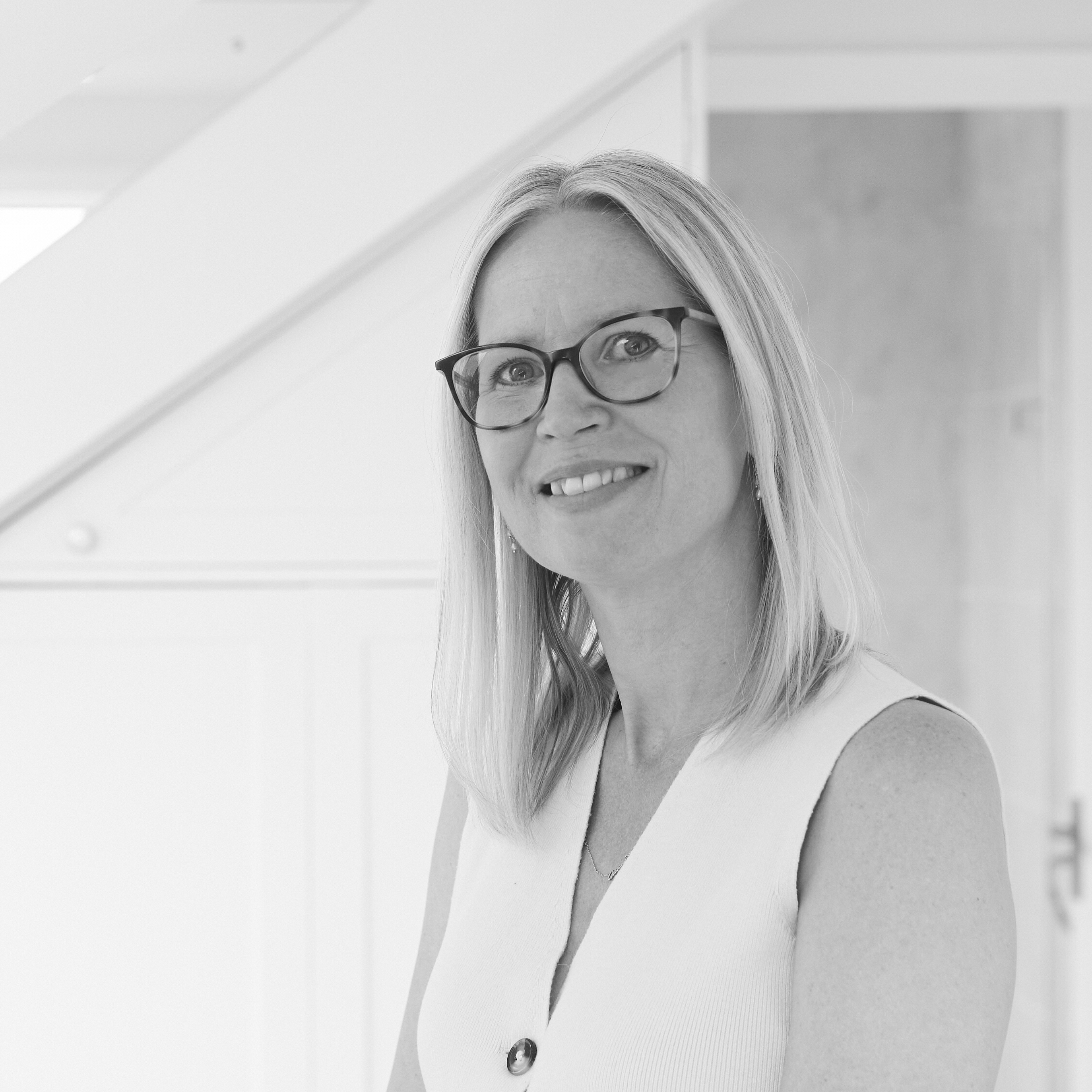
Rachel | Isle of Wight
I’ve been with Classic Cottages for 20 years, working across a variety of roles. I’m excited to now be part of the property team, dedicating my time to supporting our existing owners and welcoming new ones into the Classic family. With our local office here in Seaview, we often get to meet our guests in person and hear first-hand what they love most about the island—including the holiday home they’re staying in. That connection, and being part of someone’s holiday experience, has always been my favourite part of the role.
As someone born and bred on the Isle of Wight, there’s truly no place I’d rather be. On a perfect day, sitting on one of our beautiful beaches, you could be anywhere in the world. It’s an ideal place for my husband and I to raise our two girls - and while we do enjoy the occasional getaway, we’re always happiest coming back home.
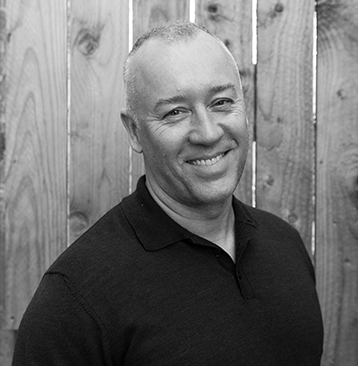
Michael | Somerset, Dorset, Hampshire & South Cotswolds
Originally from the North West I have been based “down South” for the best part of 40 years. During that time, I’ve been lucky enough to have lived in Cornwall, Devon, Somerset, Hampshire and for the most part my beloved Dorset. My wife and I live in a beautiful rural spot that allows us to explore the open countryside, but you will often find us dashing to the coast whenever we can!
For the last 10 years I have been fortunate enough to follow my passion for property as a developer and designer as well as a holiday home owner so my role with Classic really is a best of all worlds experience for me.
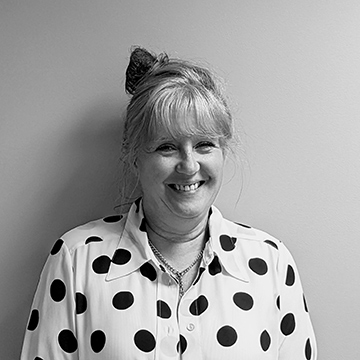
Michelle | Lake District, Yorkshire & North Cotswolds (Property Consultant)
I joined the Classic Team after nearly 30 years in customer facing operational roles, including senior management at British Airways and holiday letting companies across the North of England. I have also owned my own hospitality business with a mix of tea rooms, B&Bs and cottages - I’ve made plenty of cakes but definitely not to Bake Off standard!
It is a privilege to be able to cover both the Lake District and Yorkshire - I have the best of both worlds; the wide ranging variety of the Yorkshire countryside from the East Coast seaside towns, villages and coves, the rolling North York Moors and majestic Dales, to the beauty of the Lake District with its shimmering lakes, towering fells and impossibly pretty villages. There is so much to do for everyone whatever your interests; indoor or outdoor, relaxing or energetic, shopping or sightseeing. You will be spoilt for choice and one visit will never be enough.
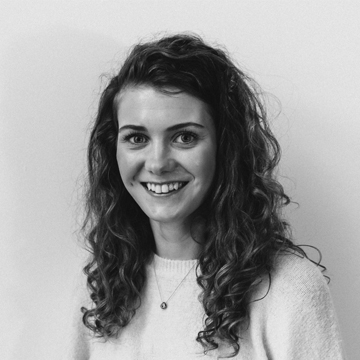
Jen | Glamping
I joined the team in 2021 starting in sales and have been a part of hundreds of guests' journeys to help find the perfect retreat for their unique holiday. Knowing what guests are looking for is so important in helping to create a memorable getaway. The idea of combining the love for the outdoors, with a touch of comfort and luxury, means our hideaways are somewhere where a guest can escape from the hustle and bustle, and relax and unwind from their day-to-day life. It is important that each retreat is as special as the next, and I am very much looking forward to working with our owners to make this possible.
Having grown up in Cornwall on my family farm, the outdoors has always been so important to me. Winter weekends are often spent exploring the rugged Cornish coast path, and finding the best spot for the perfect Sunday roast. And in the summer, many of my hours are spent on our beautiful beaches, exploring those hidden gems.
I am very much looking forward to working with owners on their special journey to help create a ‘Unique Hideaway’.
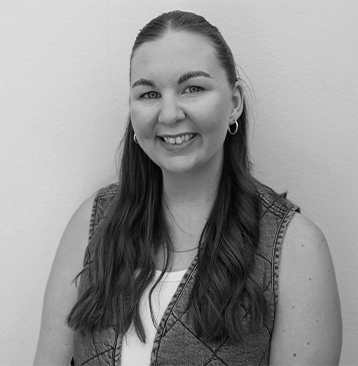
Chloe | Glamping
I joined the team in 2025 after spending the past three years in Quality Assurance within the holiday letting sector. For my entire career I have worked in the tourism and hospitality industry, following the completion of my Honours degree in Tourism and Hospitality Management in 2016.
Holidays hold such a special place in people’s lives, whether it’s a family getaway, a romantic escape, a celebration, or time spent with friends. That’s why I’m so thrilled to be part of a brand that showcases such memorable and unique places to stay. At Unique hideaways, we take pride in celebrating the unique, and I’m so excited to work closely with our owners as our collection of extraordinary glamping experiences and one-of-a-kind structures continues to grow. It’s incredibly rewarding to work alongside such lovely people, crafting unforgettable stays for our guests and making sure our owners have a successful letting experience.
Having lived in Cornwall all my life, I feel incredibly lucky to call this beautiful county home. Outside of work, you’ll usually find me exploring the beautiful coastline or woodland trails with my partner and our sausage dog, Winnie—always on the lookout for a cosy brunch spot or a new scenic walk.
I can’t wait to discover more hidden gems with Unique hideaways in the years ahead.